Where Discovery Pretends to Be Choice: Thinking Through Moda Operandi
There’s a particular promise embedded in the phrase “fashion discovery.” It suggests curiosity without pressure, taste without obligation. You’re not shopping, you’re exploring. You’re not consuming, you’re learning. Moda Operandi has built an entire platform around that promise, and for a long time, I wanted to believe it was true.
I remember the first time I landed on the site years ago. It felt quieter than most luxury retailers. Less frantic. Fewer screaming sales messages. The clothes were presented almost academically, as if each piece had passed some unspoken entrance exam. This wasn’t fast fashion pretending to be expensive. This was supposed to be fashion thinking out loud.
And in many ways, it still is.
Moda Operandi doesn’t sell you trends; it sells you proximity. To designers, to runways, to the idea that you are early — early enough to pre-order something that hasn’t yet decided who it belongs to. That’s the seduction. You’re not following taste; you’re participating in its formation.
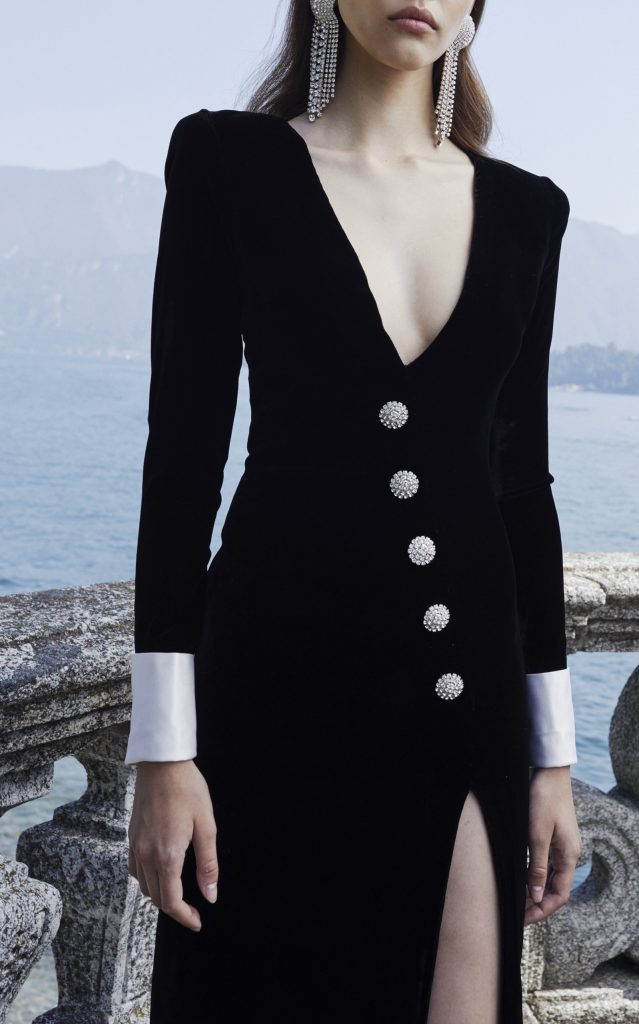
At least, that’s the story.
The platform’s most defining feature, pre-ordering straight from the runway, feels radical on the surface. Buy now, receive later. Commit before consensus forms. It asks you to trust your instincts rather than the algorithm. In theory, that’s refreshing. In practice, it quietly shifts risk from brand to consumer, dressed up as empowerment.
I don’t mean that cynically. I mean it structurally.
When you pre-order a piece months in advance, you’re not just buying a garment. You’re buying an idea of yourself in a future season. A future mood. A future body. A future life where this coat makes sense. Moda Operandi understands this psychology deeply. The platform doesn’t rush you; it gives you time to imagine.
And imagination is where fashion is most profitable.
Scrolling Moda Operandi feels different from scrolling a typical e-commerce site because it doesn’t interrupt your fantasy. There are no “only 3 left!” warnings. No aggressive urgency. The urgency is internal. It’s the quiet fear that if you don’t decide now, you’ll miss your chance to be the kind of person who wears this.
The clothes themselves are undeniably strong. This is where you encounter designers before they’re diluted by department store edit decisions. The silhouettes are sharper. The materials stranger. The prices unapologetic. Nothing here asks to be justified. If you’re looking for permission, this is not the place.
That confidence is part of the appeal.
Moda Operandi positions itself as a curator rather than a retailer. And to an extent, that’s accurate. The edit feels intentional. You’re not drowning in options; you’re being guided through a point of view. The platform doesn’t try to please everyone, which immediately makes it feel more trustworthy.
But curation is never neutral.
Every “discovery” is pre-approved. Every emerging designer arrives already framed as worthy of your attention. The platform decides what counts as interesting, modern, relevant. You’re discovering fashion within a carefully controlled perimeter.
Which is fine — all taste operates this way — but it’s worth acknowledging.
What Moda Operandi does particularly well is aesthetic restraint. The site design doesn’t compete with the clothes. It doesn’t beg for engagement. It assumes a reader who already knows how to look. This isn’t a place for impulsive clicks; it’s a place for consideration.
And that consideration can feel virtuous.
Spending five figures on a coat somehow feels more reasonable when the interface treats it like an intellectual exercise rather than a transaction. You’re not splurging; you’re investing. You’re supporting design. You’re making a deliberate choice.
This is where the platform becomes most persuasive — and most slippery.
Because while Moda Operandi frames itself as an antidote to disposable fashion, it still operates within the same consumption loop. The cadence is slower, the language more refined, but the cycle continues. New season, new designers, new must-consider pieces. The difference is that the guilt is quieter.
There’s also an interesting emotional distance built into the platform. You’re close to the runway, but far from the garment. You commit without touching. You wait without certainty. When the piece finally arrives months later, it enters a life that may no longer match the fantasy that purchased it.
Sometimes that works beautifully. Sometimes it doesn’t.
I’ve spoken to people who swear by Moda Operandi — who love the anticipation, the intention, the sense of alignment with designers they admire. I’ve also spoken to people who received pieces that felt oddly untethered from reality, like artifacts from a version of themselves that no longer existed.
Neither experience is accidental.
Moda Operandi thrives on the gap between present and future, between desire and delivery. It asks you to believe that your taste is stable, that your life will cooperate, that your body and mood will remain consistent. It’s a flattering assumption.
And yet, there’s something admirable in the platform’s refusal to oversimplify fashion. It doesn’t pretend clothing is purely practical. It acknowledges — quietly — that fashion is emotional, aspirational, occasionally irrational. It doesn’t try to talk you out of that. It builds a system around it.
What you won’t find on Moda Operandi is accessibility masquerading as democracy. This is not fashion “for everyone,” and it doesn’t pretend to be. That honesty is refreshing in an industry obsessed with pretending exclusivity is inclusive.
If anything, Moda Operandi is transparent about who it’s for: people who enjoy thinking about clothes as much as wearing them. People who like the process as much as the product. People comfortable with uncertainty, delay, and the idea that not every purchase needs immediate gratification.
In that sense, it’s less a store and more a mirror.
It reflects how you relate to fashion itself. Do you want reassurance, or are you comfortable with risk? Do you dress for the present, or for an imagined future? Do you need confirmation that others approve, or is the act of choosing enough?
Moda Operandi doesn’t answer those questions for you. It simply creates a space where they become unavoidable.
So yes, you might discover fashion there. But what you’re really discovering is how much of your identity you’re willing to pre-order — and how patient you are with the version of yourself you’re hoping to meet when the box finally arrives.